Everything You Must Know to Ensure Industrial Scale Compliance and Avoid Costly Fines
Did you know one bad scale reading can get you fined? It's true. Many businesses mess up their scale rules without knowing it. Then they get hit with big fines, and that hurts.
Good news, though. Following the rules is not that hard. This guide will show you how to keep your industrial scales working right. We'll cover the basics in simple terms. Let's get started.
Key Takeaways
- Check your scales at least once a year. Busy scales need more checks.
- Legal trade scales need a special stamp from a testing lab.
- Most problems come from skipping basic care and checks.
- Writing everything down helps to deal with inspectors.
What Does Scale Compliance Mean?
Legal for Trade Scales
Some scales need special approval. We call these legal trade scales. They have a stamp that proves they work right. Do you sell stuff by weight? Then you need this stamp. It shows customers they can trust your numbers.
Who Checks Your Scales?
Many states and regions have inspecting officers who inspect industrial weighing systems. They show up to test your equipment. They want to see that everything is accurate.
Some businesses get extra visits. Food companies and drug makers get checked more often.
Why Scale Calibration Matters So Much
Scale calibration is like a checkup for your equipment. A trained person tests your scale. They use special weights that are super accurate. If your scale is off, they fix it. Then it reads correctly again.
Industrial-scale calibration services do this work. They have the right tools to test your scale’s accuracy.
Warning Signs Your Scale Needs Help
Your scale might be telling you something is wrong. Watch for these signs:
- Numbers jump around for no reason
- The scale won't go back to zero
- The same item shows different weights
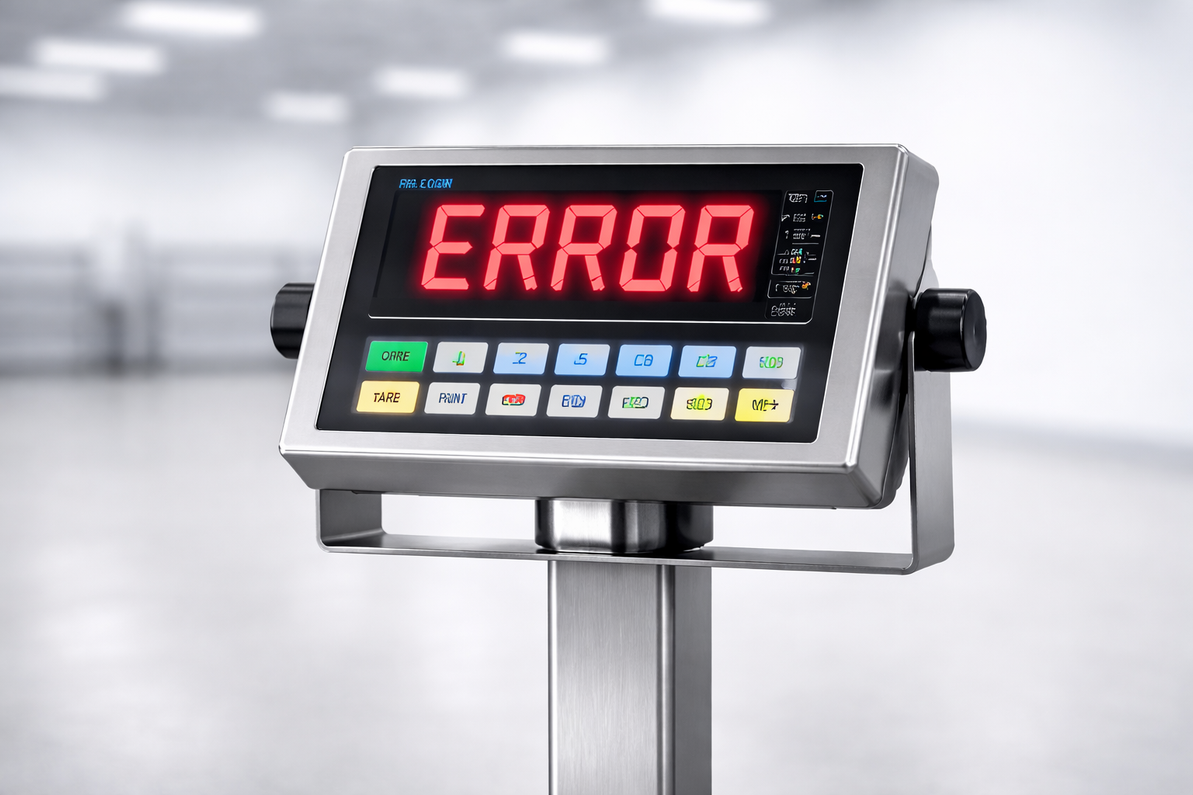
- You see weird error messages
Don't ignore these problems. Get help fast.
Mistakes That Get Businesses in Trouble
These mistakes can cost you a lot of money, but are easy to avoid to keep your business safe.
1. Forgetting About Maintenance
Forgetting about maintenance is a big issue. Many people forget about their industrial weighing scale. They only think about it when it breaks. Take care of your scale every day. Wipe it down. Look for problems. It only takes a few minutes.
2. Not Keeping Proper Records
Inspectors ask for paperwork. You need to show them:
- When you got your scale checked.
- How did you keep it clean?
- Any fixes or repairs made.
- Your scale certification papers.
Having no papers can cause a big problem. Keep everything in one safe spot.
3. Picking the Wrong Scale
Think about what you need first. How heavy are your items? Where will you use the scale?
Not all scales do the same job. An industrial digital scale for small items won't work for heavy stuff. Using the wrong one causes trouble.
Making a Simple Schedule
|
Maintenance Area |
Frequency |
Tasks / Actions |
Benefit |
|
Certification & Compliance |
Annually (or more if heavily used) |
Renew scale certification, schedule mandatory checkups, and set calendar reminders |
Ensures legal compliance and avoids missed inspections |
|
Usage-Based Checks |
As needed |
Increase inspection frequency for scales under heavy or continuous use |
Maintains accuracy under high workload conditions |
|
Regulatory Guidance |
As required |
Contact the local weights and measures office to confirm regional rules |
Ensures compliance with local regulations |
|
Daily Maintenance |
Daily |
Clean the scale platform, inspect cords and plugs, and visually check for dents or damage |
Prevents buildup, wear, and early equipment failure |
|
Weekly Maintenance |
Weekly |
Test the scale using a known reference weight |
Confirms consistent and reliable measurements |
|
Inspection Readiness |
Ongoing |
Maintain regular cleaning and testing habits |
Scales remain inspection-ready and pass audits easily |
Buying the Right Equipment
Buying a new scale? Think it through first. Make sure it can handle your heaviest items. Check that it fits where you need it. Some jobs need portable industrial scales. Maybe you move around a lot.
Get something you can take with you. Look for equipment that meets your industry rules. Ask about certifications before you buy.
Finding a Good Supplier
The right seller makes life easier. They answer your questions. They help you pick what works best.
Good sellers stick around after the sale, too. They help with service and parts. They know about industrial weighing systems inside and out. Ask if they offer calibration help.
Keeping Your Business Safe
Train your team. Everyone who touches heavy-duty scales should know the rules. They should spot problems early. Write down how to use each scale. Put instructions where people can see them. Make it easy to do the right thing.
Be Ready for Inspections. Know when inspectors might come. Have your papers ready to show. Walk around and check things yourself first. Find a problem? Fix it right away. Don't wait for someone else to catch it.
Conclusion
Here's what to do right now. First, find out when your last calibration happened. Second, check that you have all your papers. Third, set up any checks you've been putting off. Your industrial weighing scale is important. Treat it right to keep your business running.
Taking care of your scales keeps you out of trouble. It's not rocket science. Just stay on schedule and keep good notes. Prime Scales can help you pick the right industrial weighing solutions.
FAQs
1. How often should industrial scales be calibrated to stay compliant?
At least once a year for most scales. If you use your scale a lot, check it every few months. Make sure you know the exact rules applied in your region.
2. What are the penalties for not following industrial-scale compliance regulations?
You could pay big fines. They might take your equipment away. Your business could even get shut down. Repeated problems make things worse.
3. What common mistakes do businesses make in industrial-scale compliance?
People skip their yearly checkups. They lose their paperwork. They use the wrong scale for the job. They don't train their workers.
4. Can a non-compliant scale affect my business reputation?
Yes, it can hurt you badly. Violations go on the public record. Customers stop trusting you. Other businesses hear about it, too.
5. What steps should I take to ensure my scales are properly maintained?
Make a cleaning schedule and follow it. Train everyone who uses the scale. Get professional checkups every year. Write down everything you do.
Recent Posts
-

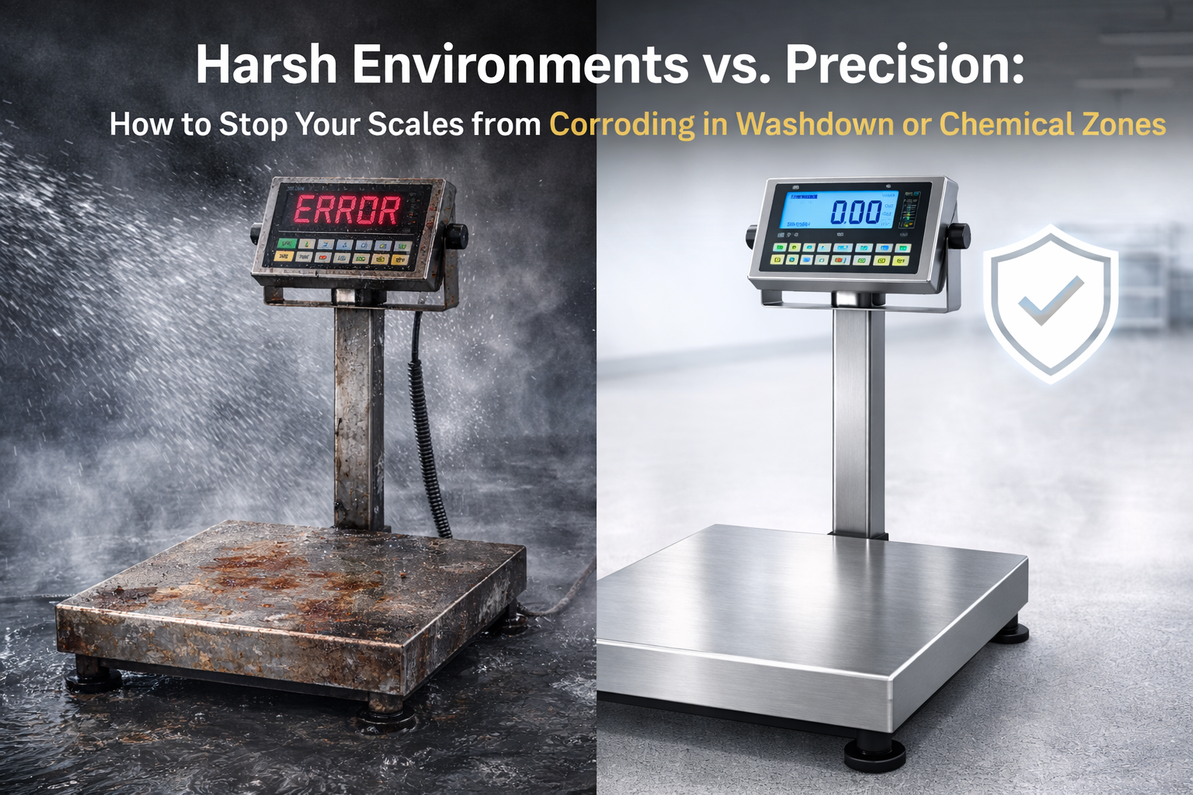
Harsh Environments vs. Precision: How to Stop Your Scales from Corroding in Washdown or Chemical Zones
Does your weighing equipment fail every few months? It is frustrating. You buy a new scale. It work …27th Feb 2026 -
What to Do When Your Industrial Scale Fails: Troubleshooting Guide
Have you ever experienced your weighing scale stop working in the middle of your shift? Nothing stop …27th Feb 2026 -
Everything You Must Know to Ensure Industrial Scale Compliance and Avoid Costly Fines
Did you know one bad scale reading can get you fined? It's true. Many businesses mess up their scale …3rd Feb 2026