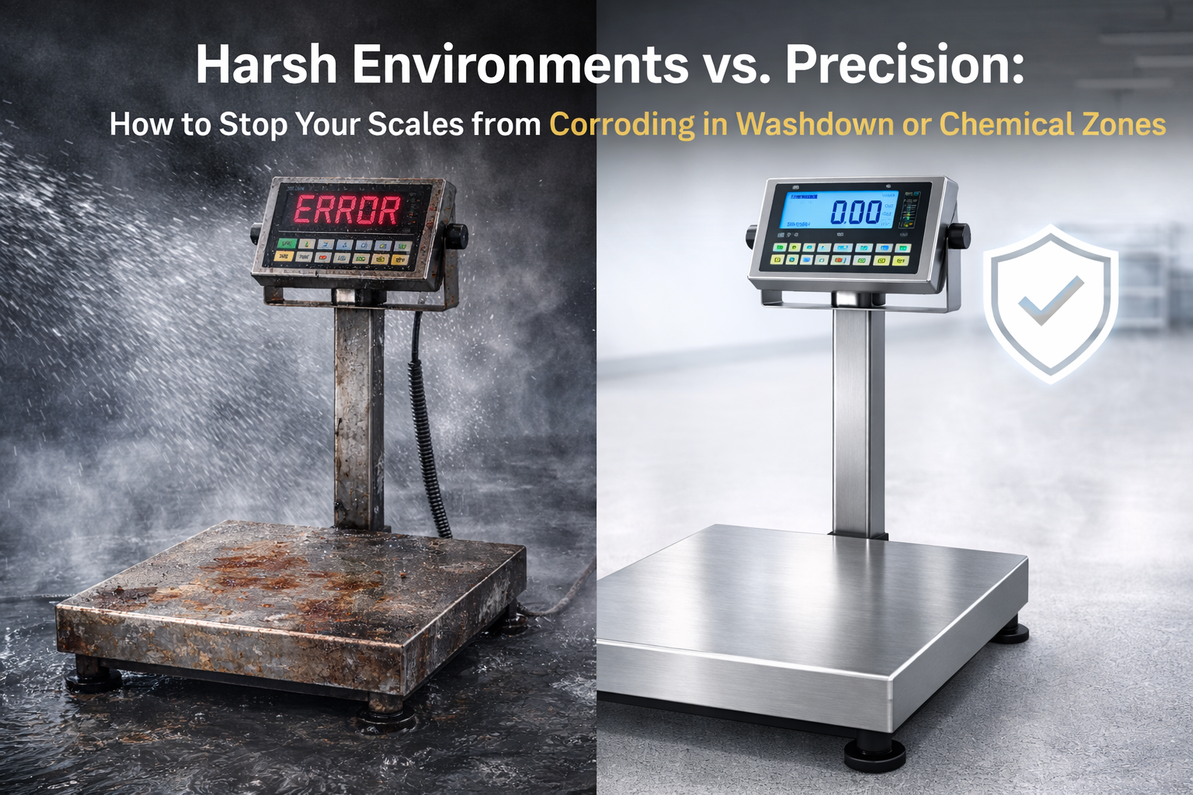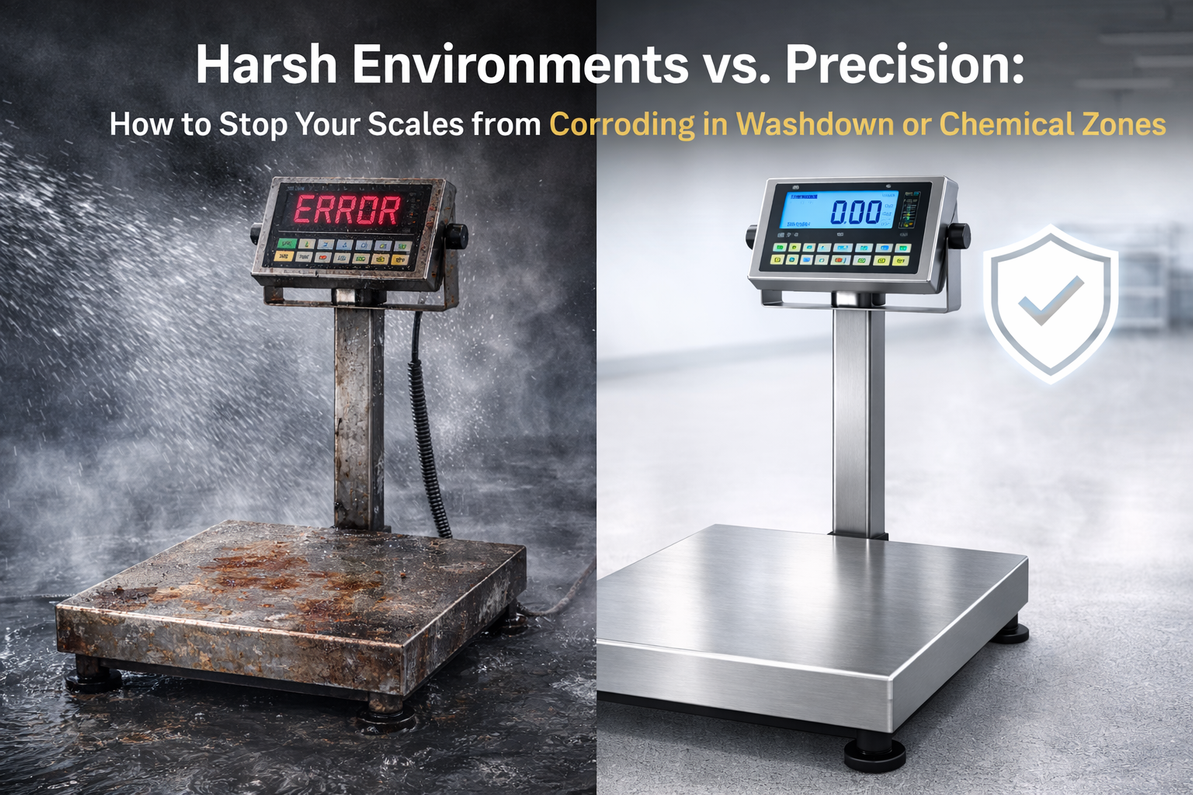
Harsh Environments vs. Precision: How to Stop Your Scales from Corroding in Washdown or Chemical Zones
Does your weighing equipment fail every few months? It is frustrating. You buy a new scale. It works great for a few weeks. Then, the numbers start jumping. Or worse, you lift the tray and see rust eating the metal.
This is a huge problem for factories that use water or harsh cleaners. You need accurate numbers, but your environment destroys standard equipment. You lose money on replacements and wasted product. You need tough industrial scales that can fight back.
Key Takeaways
- Water and chemicals damage metal surfaces and cause rust to form.
- An IP69K rating protects your scale from high-pressure water jets.
- Type 316 stainless steel handles acids better than standard Type 304.
- Checking your seals regularly prevents moisture from ruining the electronics.
How Scales Break
You need to know how rust starts. It is not just about spills.
In cold rooms, warm air turns into water inside the scale. This water hurts the circuit board. It creates rust on the sensor.
- Chemical Damage
Chemicals act differently. Acids eat the metal's skin. Once that skin is gone, pits form. These holes trap dirt and water. This makes your industrial weighing equipment weak.
- Picking the Right Metal
Not all steel is the same. There are different types. The type you pick decides how long your scale lasts. Most industrial scales for sale use Type 304 steel. It is good for dry spots.
Why Use 316 Stainless Steel?
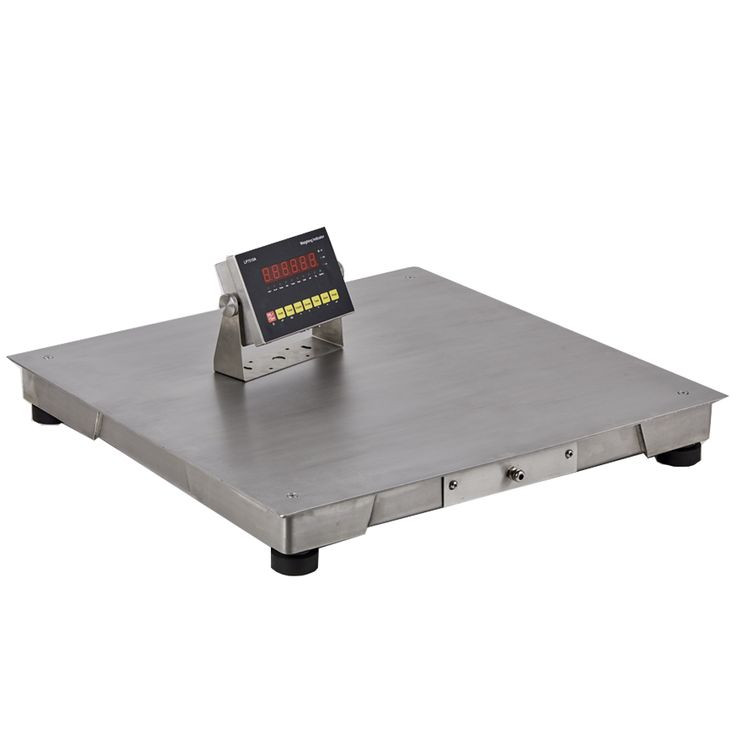
For bad areas, you need heavy-duty scales made of Type 316 steel.
- The Special Ingredient: It has molybdenum. This makes the metal harder.
- The Result: It fights salt and acid better than Type 304.
- Where to use: Use it in chemical plants or near the ocean.
Understanding Water Ratings
The IP rating tells you how safe the box is. The first number is for dust. The second is for water.
In a washdown zone, you spray tools to clean them. You need industrial weighing solutions that block water.
What are the best scales for washdown environments? Check this chart.
|
Rating |
What It Means |
Best Use |
|
IP65 |
Dust-tight. Stops low-pressure water. |
Warehouses |
|
IP67 |
Dust-tight. Can drop in water briefly. |
Light cleaning |
|
IP69K |
Dust-tight. Stops high-pressure hot steam. |
Food plants |
If you use a pressure washer, IP67 scales will fail. You need IP69K.
Water vs. Chemicals
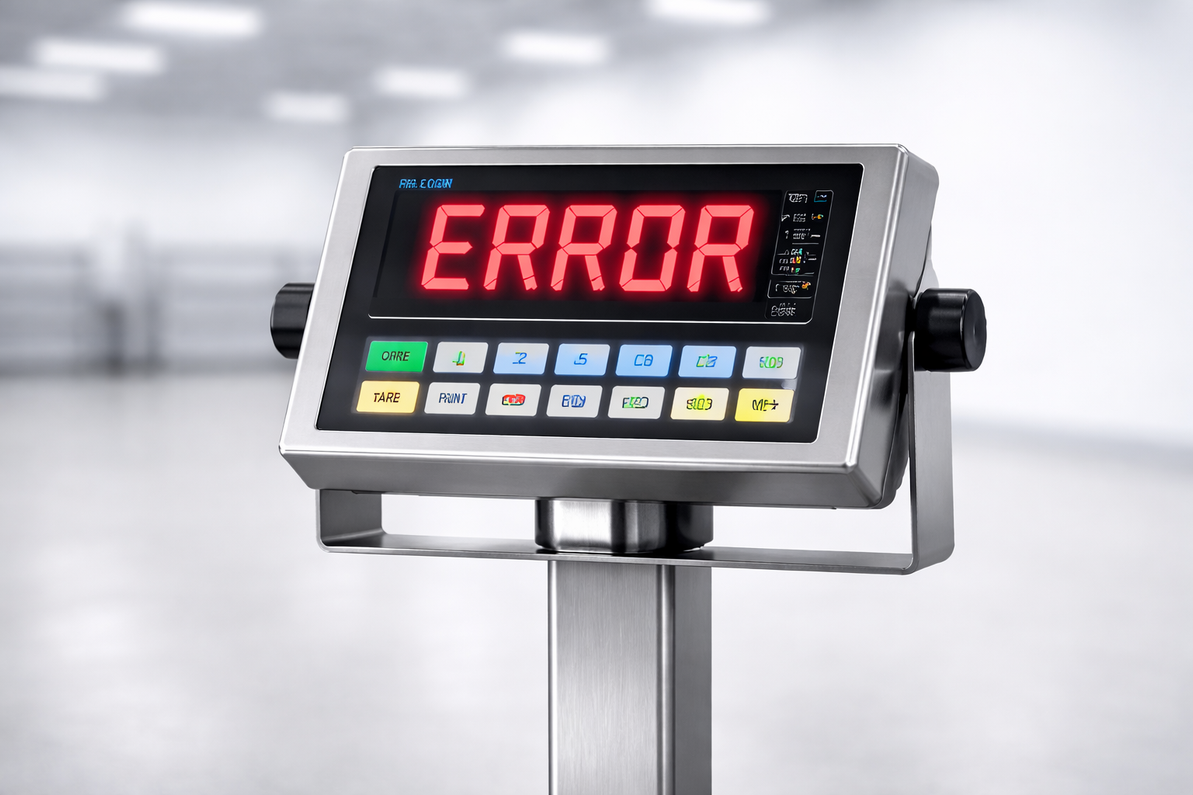
Washdown scales handle water. But chemicals are different. Strong cleaners eat rubber seals. They also cloud the screen on an industrial digital scale.
How Can I Prevent Corrosion in Chemical Zones?
- Pick the Right One: Make sure the scale body resists your specific chemical.
- Paint it: Some scales use special paint to protect the sensor.
- Rinse It Off: Wash chemicals off with fresh water. Standing chemicals cause the most damage.
Why Heavy Loads Need Stronger Frames
Rust does more than bad wires. It eats the metal frame too. If you use heavy-duty scales, this is dangerous. You might weigh heavy pallets or large tanks. If rust weakens the legs of the scale, the metal can snap.
- The Risk: A collapsing scale can hurt workers and drop the load.
- The Fix: Check the frame often. If you see deep rust on the legs or welds, replace the scale immediately. Do not wait for it to break.
Ditching Cables to Save Your Scale
Cables act like a straw. They suck water right into your industrial weighing systems. Connectors and plugs are weak spots. Water gets in where the cord plugs into the wall or the screen.
The Wireless Solution
Many modern industrial weighing solutions are now wireless. No cords, you don't have cables, so no dragging them on wet floors. Sealed boxes, the scale sends weight data to a computer directly using Bluetooth or WiFi. Without holes for plugs, the box stays sealed tight against water and becomes rust-free.
Protecting the Heart of the Scale
The load cell measures the weight. It is the heart of the machine.
In the food industry, weighing scales, this. But water can still sneak in. Good scales are "potted." This means they are filled with a waterproof gel. The gel stops water from touching wires.
Pro Tip: Scales need to breathe. Never paint over the small air vent.
Portable Scales and Batteries
Portable industrial scales use batteries. This helps you move them to clean.
But be careful. Every time you open the battery door, you break the seal. Wet hands can let water in. Always grease the rubber seal to keep it tight.
Simple Care Tips
Take care of your industrial weighing scale. It will last longer.
- Daily: Check the buttons. If the plastic cracks, water gets in.
- Weekly: Check the cord. Cuts let water inside.
- Monthly: Clean under the tray. Dirt here holds water against the sensor.
Conclusion
Operating in a harsh environment requires specialized tools. Standard scales cannot withstand the combination of high-pressure water and corrosive chemicals.
To ensure precision, you must match the equipment to the hazard. Understand the difference between water resistance (IP ratings) and chemical resistance (steel grade). By selecting the correct materials and following a strict maintenance schedule, you ensure your data remains accurate.
Audit your facility to identify high-moisture and chemical zones. Replace standard equipment in these zones with IP69K or Type 316 stainless steel units. Implement a "rinse-and-dry" protocol for all weighing equipment.
Frequently Asked Questions (FAQs)
1. Why is scale maintenance critical in harsh environments?
Harsh spots wear out tools fast. Chemicals eat seals. Regular checks catch this early. This stops water from breaking the electronics.
2. What are the signs that my scale is corroding?
Look for rust spots or small holes in the metal. Inside, the weight might drift or not stay at zero.
3. Can washdown scales be used in chemical processing areas?
It depends on the chemical. Washdown scales stop water. But acids can eat standard stainless steel. Always check if the material matches your chemicals.
4. Are corrosion-resistant scales more expensive?
Yes, at first. They use better steel and better seals. But they last much longer. This saves you money over time.
5. Can corrosion-resistant scales withstand high temperatures?
Stainless steel handles heat well. But the electronics inside have limits. Check the manual for the heat limit.
Recent Posts
-

Harsh Environments vs. Precision: How to Stop Your Scales from Corroding in Washdown or Chemical Zones
Does your weighing equipment fail every few months? It is frustrating. You buy a new scale. It work …27th Feb 2026 -
What to Do When Your Industrial Scale Fails: Troubleshooting Guide
Have you ever experienced your weighing scale stop working in the middle of your shift? Nothing stop …27th Feb 2026 -
Everything You Must Know to Ensure Industrial Scale Compliance and Avoid Costly Fines
Did you know one bad scale reading can get you fined? It's true. Many businesses mess up their scale …3rd Feb 2026