How to Select Industrial Scales for Your Industry or Business
Have you ever relied on your weighing equipment only to discover expensive reweighing, failed audits, or even production stalls? Bad scales do not simply cost you money; they cause havoc that spreads throughout your whole operation.
A wrong choice of industrial scales results in inevitable headaches: unreliable measurements, non-compliance, and failures that halt the work. The majority of companies focus on price or functionality, without considering what is important to their surroundings.
At the moment, when you realize what really matters to your operation, it becomes easy to pick the appropriate industrial weighing solutions.
Key Takeaways
- Choose the scales that match capacity to needs to avoid damage and ensure accuracy.
- Select scales suited to your workspace conditions for reliable performance.
- Know certifications to maintain compliance and prevent errors.
- Invest in durable scales to cut downtime and replacement costs.
Understanding Your Weighing Requirements First
Before reviewing product catalogs, clarify exactly what you're evaluating. This is where most businesses make their first mistake.
Ask yourself these questions: What's the heaviest item you'll ever need to weigh? What about the lightest item that still requires precision? How frequently will you use the scale throughout the day? Are you weighing static loads or items in motion?
Your maximum capacity needs should exceed your heaviest load by a reasonable margin. Constantly maxing out your scale's capacity accelerates wear and compromises accuracy over time.
Types of Industrial Scales You Should Know
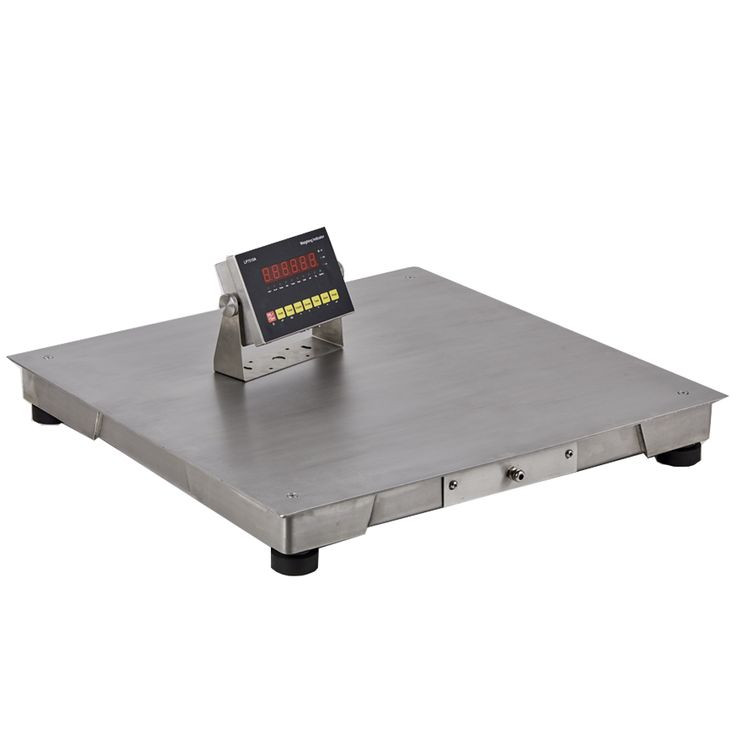
- Floor Scales: These heavy-duty scales handle high-capacity weighing with low-profile designs that make loading easy.
- Bench Scales: Perfect for smaller items. These portable industrial scales sit on countertops and provide precision for shipping departments and quality control.
- Pallet Jack Scales: These integrate weighing functionality into your material handling equipment for maximum efficiency.
- Crane Scales: Suspended loads, such as construction materials or shipping containers that can not be served by traditional platforms, are served by crane scales.
- Counting Scales: Scaling the piece counts according to the sample weights, inventory management has become extremely fast.
Critical Features in Modern Industrial Weighing Systems
Modern industrial weighing scales offer digital connections like Wi-Fi, Bluetooth, and USB, eliminating manual data entry errors and allowing seamless integration with management systems. Automated calibration technology continuously verifies accuracy, helping you catch measurement drift before it becomes an issue.
Their displays are typically backlit LED or LCD, ensuring visibility in low-light or outdoor settings. Overload protection safeguards the equipment, while stainless steel construction provides durability and corrosion resistance, essential for industries like food processing and pharmaceuticals.
Accuracy Standards You Need to Know
Accuracy isn't optional; it's a legal requirement in many industries. Industrial scales fall into accuracy classes with different levels of precision.
Key certifications include:
- NIST – U.S. standard ensuring measurement accuracy
- OIML – International standard recognized globally
- NTEP – Required for legal-for-trade scales
If you're selling products by weight or need regulatory compliance, you must have NTEP-certified scales. Non-compliance means fines, legal action, and damaged reputation.
Environmental Considerations Matter
The environment in which you are working will dictate the scales that will actually work to your advantage.
- Fluctuations in temperature: Under extreme conditions, models with temperature compensation features are required.
- Moisture and dust: search for one of the right IP (Ingress Protection) ratings that shield the exposure to the environment.
- Vibrations: The manufacturing floors should be equipped with filters in the scales to ensure accuracy, even with the constant movement.
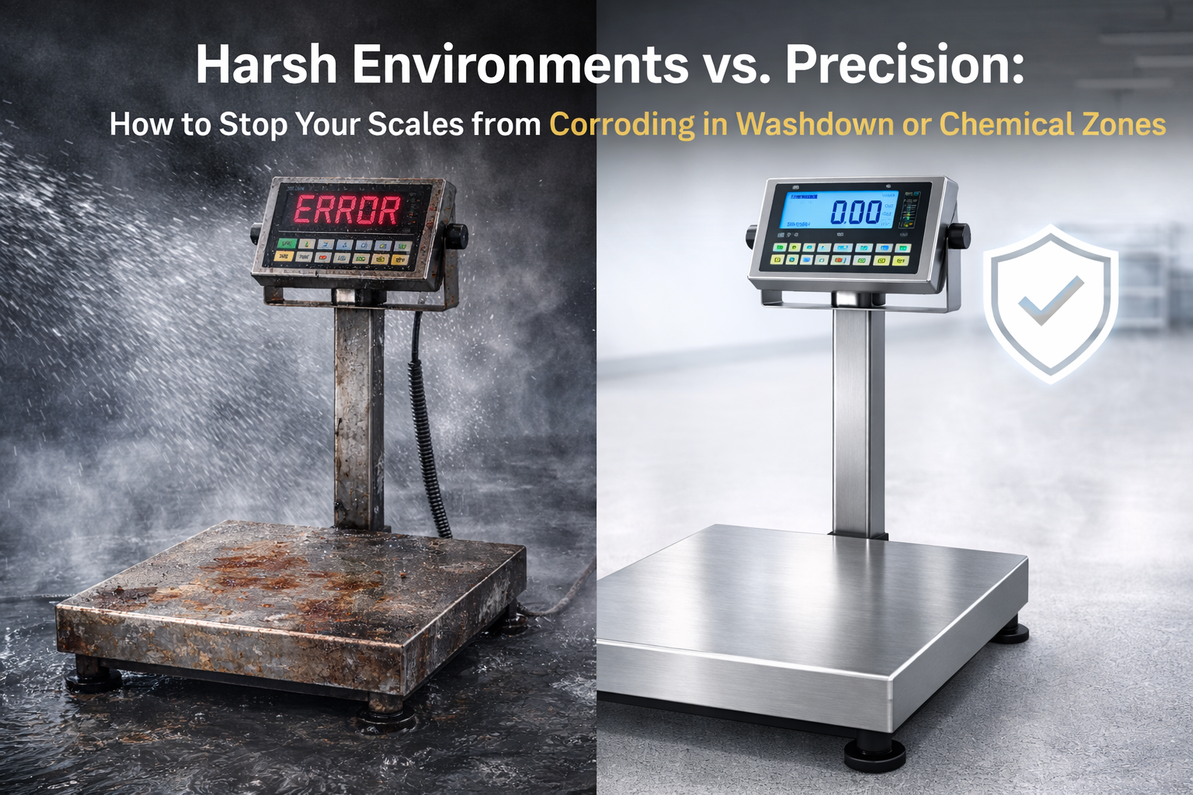
- Chemical exposure: Stainless steel constructions with closed load cells are needed in food processing or chemical manufacturing.
Budget Considerations and ROI
The idea of concentrating on the initial price is a failure that will cost you more in the long term. A cheaper scale, which needs frequent calibration or collapses regularly, is quite costly compared to a good scale that costs a lot to purchase but which does not need frequent calibration.
Considering the total ownership costs:
- Maintenance cost and calibration cost.
- Downtime during repairs
- Replacement costs
- The inaccuracy of measurement results in losses.
Well-maintained quality industrial weighing systems have a lifespan of well more than a decade. Investment in durability is economical when computed on an annual basis.
Maintenance Requirements
Even the best scales need regular care. Most industrial applications require calibration at least annually, though high-volume operations may need more frequent attention.
Routine maintenance includes:
- Regular cleaning of platforms and load cells
- Inspecting mechanical components for wear
- Checking cable connections
- Verifying scales remain level and stable
Partner with suppliers who offer ongoing calibration and maintenance services for scheduled agreements and rapid troubleshooting.
Making Your Final Selection
When choosing an industrial scale, make sure to get a demonstration to confirm it works well in your actual conditions. Check if technical support, calibration services, and repair response times are readily available to avoid downtime.
Where to Buy Your Industrial Scales
Finding a reliable supplier matters as much as selecting the right equipment.
Look for suppliers with:
- Extensive product selection across multiple scale types
- Recognized industry certifications
- In-house technical support teams
- Calibration and maintenance services
- Positive customer reviews
- Transparent pricing
Avoid suppliers who push products without asking about your needs or who can't answer technical questions. If you are looking for industrial scales for sale, visit Prime Scales. Quality industrial digital scale equipment represents a significant investment; the cheapest option is rarely the best value.
Conclusion
The right scales do not necessarily need to be a daunting event to choose. Knowing what you need in weighing, taking into consideration the environmental factors, being more loyal to the durability than the cost, and collaborating with the reliable suppliers, you will make a good and right choice which will couple well with your business.
The right scale is efficient, compliant, cost-effective, and you are assured of your data. You should also take time and consider what you want, and then select equipment that is really what you need.
Frequently Asked Questions
1. How do I select the right industrial scale for my industry?
Know your maximum weight capacity requirements, environmental factors, necessary levels of accuracy, and the requirements for whether you need legal-for-trade approval of your application to a particular industry.
2. What factors should I consider when buying an industrial scale?
Consider weight capacity, accuracy requirements, environmental conditions, connectivity features, construction materials, calibration needs, and total cost of ownership, including maintenance.
3. How accurate are industrial scales?
Scales in industries are usually calibrated to certain standards of accuracy, which give good readings when they are properly calibrated; NTEP-certified scales are highly accurate to commercial requirements.
4. Can industrial scales handle heavy weights?
Yes, the heavy-duty scales are designed specifically to handle multiple loads that range from a number of hundred pounds to very heavy capacities based on the model and application needs.
5. Where can I buy reliable industrial scales?
Purchase from established suppliers offering NTEP-certified products, technical support, calibration services, and strong warranties; look for companies with proven industry experience and positive reviews.
Recent Posts
-

Harsh Environments vs. Precision: How to Stop Your Scales from Corroding in Washdown or Chemical Zones
Does your weighing equipment fail every few months? It is frustrating. You buy a new scale. It work …27th Feb 2026 -
What to Do When Your Industrial Scale Fails: Troubleshooting Guide
Have you ever experienced your weighing scale stop working in the middle of your shift? Nothing stop …27th Feb 2026 -
Everything You Must Know to Ensure Industrial Scale Compliance and Avoid Costly Fines
Did you know one bad scale reading can get you fined? It's true. Many businesses mess up their scale …3rd Feb 2026