Top 10 Mistakes to Avoid When Buying an Industrial Scale (and How to Fix Them)
Imagine your production line stops dead because a load cell failed. Trucks are waiting at the dock, but you can’t ship anything because your scale is broken.
That "bargain" scale you bought just became the most expensive piece of equipment in your facility. Whether it is unexpected downtime or a surprise fine for using a non-compliant device, these mistakes drain your profits fast.
You can stop this from happening. The trick is knowing exactly what to look for before you spend a dime. Whether you need industrial scales for a busy factory or a warehouse, you must understand the details that most buyers miss. This guide covers the top errors so you can make a smart, safe choice.
Key Takeaways
- The environment dictates your purchase; water and dust ruin standard scales.
- Not all scales are legal for selling products; check for NTEP certification.
- High capacity often reduces precision, so balance your needs carefully.
- Installation errors are the top cause of inaccurate readings.
1. Requirements of the Operating Environment
The most common mistake is putting a standard scale in a harsh area. If your facility is wet, dusty, or has extreme temperatures, a basic painted steel scale will fail.
Water and Washdown Requirements
If you work in food processing or pharma, you likely wash down equipment daily. You must look for IP67 / IP68 / IP69K washdown ratings. These ratings tell you how well the scale handles water.
- IP67: Can handle temporary submersion.
- IP69K: Handles high-pressure, high-temperature jets.
- Standard: Will rust and short-circuit immediately.
Temperature and Shock
Temperature fluctuations can cause calibration drift. If your scale is in a freezer or a hot foundry, you need industrial weighing systems built for those extremes. Also, consider shock loading. This happens when a forklift drops a load too hard. Standard scales can't handle this, but heavy-duty scales with reinforced frames can.
2. Misunderstanding Capacity vs. Accuracy
Bigger isn't always better. Many buyers want a massive capacity "just in case." But there is a trade-off. As capacity goes up, readability (the smallest weight change the scale can see) often goes down.
If you are weighing small boxes but buy a 20,000 lb truck scale, you won't get precise readings. This is a critical factor in Industrial Scale Accuracy. You need to match the maximum deviation limits of the scale to your lightest product, not just your heaviest.
3. Overlooking Legal for Trade Rules
Are you selling products based on their weight? If yes, you cannot use just any scale. You are legally required to use a "Legal for Trade" device.
NTEP-approved scale requirements are strict. This means the National Type Evaluation Program has tested the device. It ensures the scale is fair to the customer. If you skip this to save money, you risk Weights and Measures compliance fines. Always check for the NTEP seal if money changes hands based on the weight.
4. Forgetting Connectivity and Data
A scale should do more than just show a number. It should talk to your systems.
Data Integration Types:
- USB/Ethernet: For sending data to a PC.
- Bluetooth/Wi-Fi: Great for portable industrial scales.
- 4-20mA Analog: Used for automated tank weighing.
Ignoring IoT scale integration locks your data in a silo. Modern industrial digital scale options can send weight data straight to your inventory software. This stops human error and speeds up your workflow.
5. Choosing the Wrong Form Factor
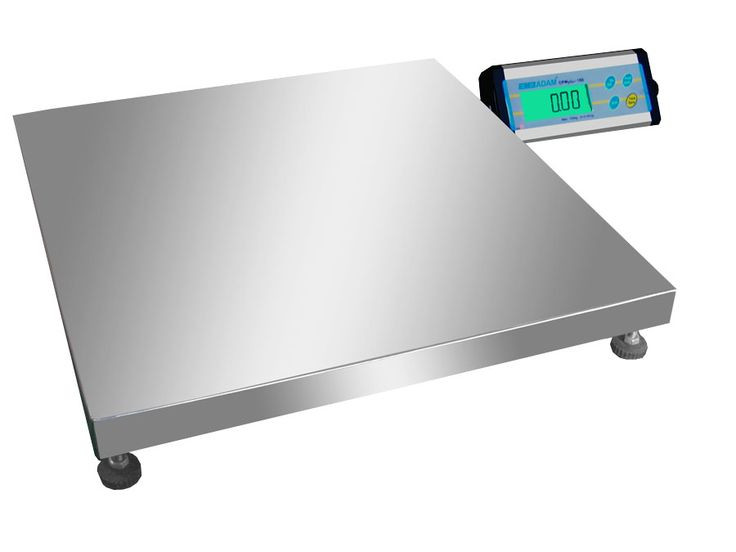
Do you need a floor scale, a bench scale, or a forklift scale? Choosing the wrong type hurts efficiency.
Common Scale Types and Uses
|
Scale Type |
Best Used For |
Primary Benefit |
|
Floor Scale |
Large pallets, heavy crates |
High capacity, stable base |
|
Bench Scale |
Small parcels, mixing ingredients |
High accuracy, compact size |
|
Pallet Jack Scale |
Warehouses with high movement |
Weighs while you move (saves time) |
|
Truck Scale |
Shipping logistics, bulk loads |
Weighs entire vehicles |
If you have limited space, industrial weighing solutions like pallet jack scales remove the need for a stationary weighing spot. This reduces travel time for your forklift drivers.
6. Neglecting Maintenance and TCO
The purchase price is just the start. You must look at the Total Cost of Ownership (TCO). A cheap scale might need repairs every three months. A quality scale might last years with zero issues.
You need a preventive maintenance schedule. This includes cleaning, checking for debris, and regular inspections. Neglecting this leads to high downtime costs. If your scale breaks during a rush, you lose far more money than the scale is worth.
7. Poor Installation Practices
Even the best scale will fail if installed incorrectly. Common errors in floor scale installation and setup include placing the scale on an unlevel surface or letting the cable get pinched.
Installation Tips:
- Ensure all feet touch the ground solidly.
- Check for environmental interference like vibrations from nearby machines.
- Secure the cabling to prevent tripping or cutting.
If the scale rocks or wobbles, your load cell accuracy is compromised. You will see industrial-scale fluctuating readings constantly.
8. Skipping Regular Calibration
Scales do not stay accurate forever. They drift, and this is normal. However, many businesses have no idea about the proper industrial scale calibration frequency.
ISO calibration standards suggest calibrating at regular intervals or after any major shock. If you ignore this, you might be giving away free product (over-weighing) or angering customers (under-weighing). A scheduled check ensures your industrial weighing scale remains trustworthy.
9. Not Checking Repairability
Some industrial scales for sale are "throwaway" units. They are sealed shut. If a part breaks, you have to trash the whole thing.
Always ask if the components are replaceable. Can you swap out a single load cell? Is the indicator universal? Modular designs allow for predictive maintenance and quick fixes.
10. Buying From Non-Experts
Buying a scale from a general online marketplace is risky. They don't offer support. When you have questions about certified industrial scales, you need an expert. General sellers won't know about corner loading or local compliance laws.
My Honest Opinion About The "Cheap" Trap
I have seen too many facility managers buy the cheapest scale they could find on Amazon. It works for a month. Then, a forklift hits the corner. The metal bends because the steel is too thin. Suddenly, the readings jump up and down.
Now, the manager has to buy a second scale while the first one is practically new trash. Don't do this. It is dangerous to use equipment that isn't rated for your specific industrial load. It protects your workers and your wallet to buy a unit with proper structural integrity. A verified, heavy-duty scale is an asset; a cheap import is a liability.
Conclusion
Avoiding these ten mistakes ensures your operation runs smoothly. The right industrial weighing scale improves efficiency and protects your profits. Remember to look at the environment, legal requirements, and connectivity before you buy.
Start by assessing your site. Do you need washdown protection? Do you need NTEP approval? Once you answer these, you can invest in industrial weighing systems that last. Don't let a small oversight cause a big headache later.
Frequently Asked Questions
1. How do I choose the right power source for my scale?
Choose battery power for mobile scales in dynamic areas; it offers flexibility but requires weekly checks to prevent failures. Opt for plug-in sources in fixed stations for uninterrupted reliability.
2. What’s the best way to protect scales from forklift damage?
Install sturdy ramps and barriers around the scale platform to center loads and block side hits. Add reinforced edges or bumpers for extra impact resistance.
3. What maintenance tools do I need for scales?
Keep certified test weights, soft brushes, and a multimeter on hand for routine checks. These detect drift, clean debris, and test circuits quickly. Stock spares like fuses to fix issues without delays.
4. How often should I inspect cables and connections?
Inspect cables monthly in clean environments or weekly in harsh ones for wear or looseness. Tighten connections and replace frayed wires immediately to prevent signal loss.
5. What causes error codes on digital displays?
Error codes stem from overloads, faulty sensors, or power surges disrupting the system. Consult the manual's code list or call support for persistent issues.
Recent Posts
-
A Practical Guide To Medical Scale Maintenance & Troubleshooting
The display says 84 kg. The patient is actually 87! The nurse charts 84 because why would she doubt …6th Oct 2026 -
Buying a Food Scale? Here's How to Choose the Right One for Your Business
You’re wasting money in the kitchen if every time a cook over-portions meat or cheese, profits drop. …6th Oct 2026 -

How to Choose the Best Food Scale for Better Accuracy, Portion Control & Food Safety
You are losing product every single day, and you might not know it. A restaurant over-portions by ha …1st Sep 2026