Troubleshooting Livestock Scale Accuracy: Why Your Readings Fluctuate and How to Fix It
If your weights are wrong, your profit is wrong. Inaccurate readings on your cattle scale can lead to under-dosing sick animals or losing money at the sale barn. Most owners think a jumping number means the electronics are fried. In reality, the problem is usually a physical block or a simple wire issue.
You need gear that works every time you sort your herd. Weight fluctuation is often a sign of "mechanical binds" or moisture in the system. When your digital livestock scale fails to settle, it creates massive frustration and wastes hours of labor.
You don't always need a high-paid tech to fix these common livestock scale problems. You just need a systematic way to look at your livestock platform scale and find where the friction is happening.
Key Takeaways
- Mechanical binds like mud, frozen manure, or rocks under the platform cause most weight errors.
- Moisture inside the junction box or chewed cables will make your digital display jump or drift.
- You must calibrate your equipment annually and check accuracy every time you move a portable scale.
- A level, hard surface, and proper grounding are required to keep sensors working at peak precision.
Physical Check to Find Mechanical Binds
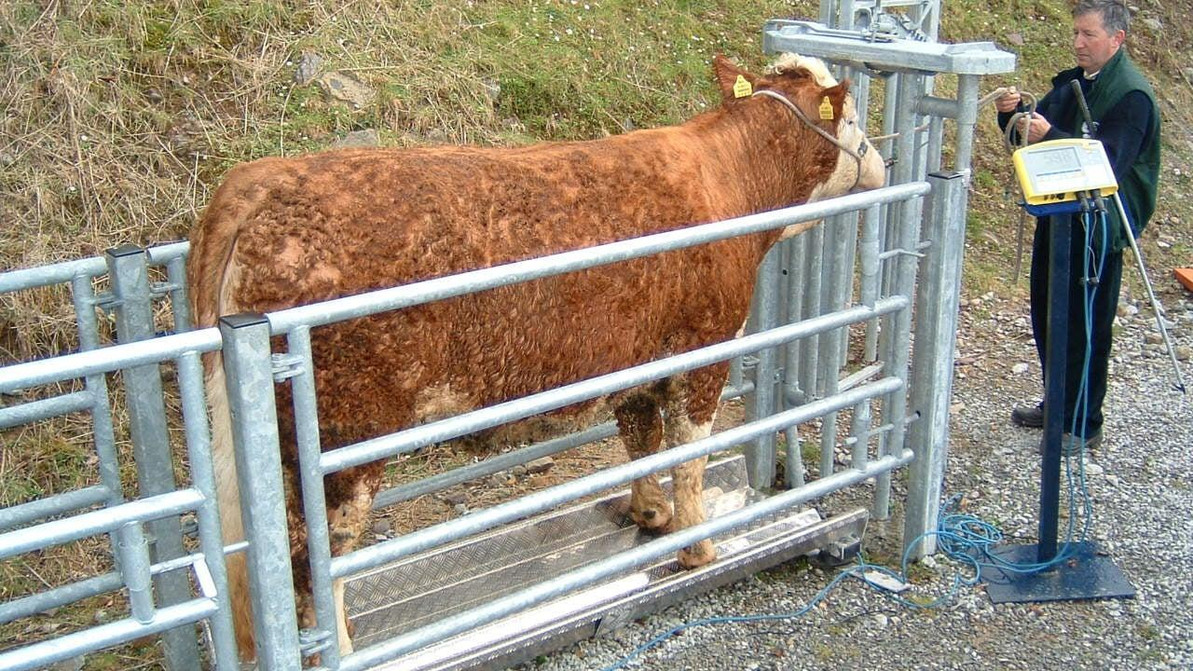
A livestock platform scale must be able to move freely up and down. If the frame touches the side of a pit or a fence post, the weight will be wrong. This is called a "bind." It acts like a kickstand, holding up some of the weight so the sensors cannot feel it. This is the most common reason for poor weighing accuracy.
Accurate livestock weighing starts with a clean gap. Manure and dirt pack into the small spaces between the platform and the frame. Over time, this dirt gets as hard as concrete. If the platform cannot move down even a fraction of an inch, your cattle scale weight will be much lower than the actual animal.
How to Clear Physical Blocks
- Use a pry bar to check if the platform moves freely in all four corners.
- Power wash the gap between the platform and the foundation to remove packed mud.
- Check that no bolts or gates are rubbing against the weighing surface.
Understanding Load Cells and Weigh Bars
The Load Cells or Weigh Bars are the sensors that do the heavy lifting. They turn physical pressure into an electrical signal. If your digital weighing system shows erratic numbers, one of these sensors might be failing. You can test this by standing on each corner of the scale one at a time. Each corner should show the same weight.
If one corner is off by more than a few pounds, that sensor is likely damaged. According to recent industry surveys, nearly 30% of animal weighing scales in the field are off by at least 5% due to sensor wear. This happens because of "shock loading," which is when a heavy animal jumps onto the scale too hard.
Signs of Sensor Failure
- The scale shows a weight even when the platform is empty.
- The weight changes significantly depending on where the animal stands.
- The Digital Weight Indicator shows a constant "Error" or "Overload" message.
Environmental Interference and Stability
Your animal scales are sensitive to the world around them. Wind is a major factor that people forget. A strong gust hitting a large animal can add or subtract pounds in a second. Most digital display units have a "lock-on" feature to fix this. It averages the weight over a few seconds to provide stable weight readings.
Grounding is another huge issue for livestock management. If you have an electric fence nearby, "stray voltage" can travel through the soil. This electricity can enter the scale frame and mess with the scale indicator. Always ensure your system is properly grounded with a dedicated copper rod.
Digital Indicators and Cables
The digital livestock scale sends a tiny electrical signal through wires. If a mouse chews the wire, the signal leaks out. This causes the numbers on your scale indicator to jump wildly. Check all cables for bite marks or flat spots where a gate might have pinched them.
Moisture is the other digital killer. If water gets into the junction box, the wires will short out. You might see the weight "creep" upward slowly while the scale is empty. Keeping your digital weighing system dry is the best way to ensure Livestock weighing accuracy.
Protecting Your Electronics
- Run all cables through a PVC pipe or a metal conduit to stop rodents.
- Keep the Digital Weight Indicator in a padded, weather-resistant case.
- Use silica gel packets inside the junction box to soak up moisture.
Calibration and Legal Standards
You might ask, how often should a livestock scale be calibrated? If you use your scale for farm weighing, you should check it every six months. If you are selling animals by the weight, you need an NTEP livestock scale. This means it is "Legal-for-Trade" and meets strict government standards.
Scale calibration involves using known, certified weights to "teach" the scale what a pound is. Without this, your livestock weight measurement is just a guess. Even the best heavy-duty construction won't matter if the software is not calibrated to the hardware.
|
Scale Type |
Best Use Case |
Main Advantage |
|
Livestock platform scale |
Permanent Pits |
High Weight Capacity and durability |
|
Portable livestock scales |
Multi-pasture use |
Easy Animal Weight Monitoring anywhere |
|
NTEP Certified Scale |
Selling by the pound |
Legal protection and high accuracy |
|
Animal Scales (Small) |
Sheep and Goats |
High precision for smaller increments |
Maintaining Your Equipment
Livestock scale maintenance is not just about cleaning. It is about protection. The non-slip platform needs to be checked for rust or soft spots. If the floor of the scale flexes, the load cells won't get a true reading. A weather-resistant design helps, but it still needs a roof or cover when not in use.
Every scale inspection should include a check of the "bumpers." These are the parts that stop the scale from sliding too far left or right. If they are too tight, they cause a bind. If they are too loose, the scale can slam into the frame and break the sensors. Finding the middle ground is the key to livestock weighing accuracy.
Insider’s Risks You Can't Fix
I have seen many people spend a fortune on a digital livestock scale and still get bad data. Here is the truth: a scale is only as good as the ground it sits on. If you put a portable livestock scale on soft mud, it will never be accurate. The frame will twist, and the sensors will fight each other.
Also, even the most expensive cattle scales can be tricked by animal behavior. If a cow is leaning its head against the head gate or touching the side rails, the weight is useless.
Technology can't fix bad animal handling. You must ensure the animal is "clean" of the frame before you hit the "print" button. If you ignore the physical reality of the scale, the digital numbers are just lies.
Conclusion
Fixing your cattle scale doesn't always require a new purchase. Most issues come down to dirt, moisture, or bad cables. By following a steady scale troubleshooting plan, you can trust your numbers again. Reliable data is the backbone of successful livestock management.
Maintaining your livestock scales ensures you get paid every cent you deserve. It also helps you track animal health with precision. Don't let a small rock or a chewed wire eat into your profits this year. Take care of your gear, and it will take care of your bottom line.
Your Next Steps:
- Spray out the underside of your livestock platform scale to remove all debris.
- Inspect all load cell cables for damage and seal your junction box against moisture.
- Perform a corner test to ensure each sensor is providing accurate livestock weighing.
FAQs
1. Why is my cattle scale showing inaccurate weights?
Debris under the platform or uneven ground is the main cause of weight errors. Mud and rocks jam the scale and stop it from moving freely. Clear all obstructions and ensure the frame sits on a level surface.
2. Why does my livestock scale's weight fluctuate?
Moisture in the junction box or damaged cables usually causes numbers to jump. Wind and animal movement also interfere with the digital signal.
3. How do I maintain a livestock scale?
Keep the underside clean and store the digital screen in a dry place. Check cables for rodent damage every week to prevent electrical shorts. Regular cleaning prevents mechanical binds and accuracy issues.
4. How often should a livestock scale be calibrated?
Calibrate your scale at least once a year for general herd management. Check portable scales every time you move them to a new site. Legal-for-trade scales require specific certification based on local laws.
5. How do I fix a livestock platform scale that is off by 50 pounds?
Clear any mud or stones jammed under the platform first to restore movement. If that fails, test each corner with a known weight to find a dead sensor. Replacing the specific failing load cell usually fixes the error.
Recent Posts
-

How to Choose the Best Food Scale for Better Accuracy, Portion Control & Food Safety
You are losing product every single day, and you might not know it. A restaurant over-portions by ha …1st Sep 2026 -
Are Medical Scales Giving Accurate Results? A Guide to Calibration and Maintenance
You check your patient's weight. The scale reads 84kg. You adjust the medication dose. But what if t …1st Sep 2026 -
Types of Medical Scales: Choosing the Right Scale for Hospitals, Clinics, and Healthcare Facilities
A patient comes in for a routine checkup. The nurse records their weight. The doctor adjusts medicat …30th Jul 2026